Automation Equipment to Improve Efficiency in the Injection Molding Process
Injection Molding Automation
Global manufacturing is facing the triple challenge of skilled labor shortages, volatile raw material prices, and continuously compressed customer delivery cycles.
In the injection molding sector, automation equipment has become a hard threshold that determines whether a factory can stay competitive. According to industry research, the global market for automated injection molding machines continues to grow steadily, with a compound annual growth rate exceeding 6%. Injection molding automation—an engineering system centered on robots, intelligent control systems, vision inspection, and flexible production lines—is reshaping the industry’s production methods at an unprecedented speed.
Core Technologies of Injection Molding Automation
Many people still understand injection molding automation simply as “using robots to replace manual part removal.” However, the industry trend in 2026 is clear: automation means integrated cells where part removal, inspection, and secondary operations (cutting, assembly, marking) are completed in one cell without moving the part.
- AI‑driven process self‑optimization: Today’s mainstream AI‑assisted injection systems can monitor thousands of process parameters per cycle in real time, identify tiny deviations, and provide AI‑driven automatic correction suggestions. Against a backdrop of skilled labor shortages, this can increase Overall Equipment Effectiveness (OEE) by up to 10%. More importantly, the system continuously learns from the data accumulated by all connected machines, creating a first‑mover advantage for new project commissioning.
- Data‑driven smart scheduling and process control: Some leading precision injection molding factories have deeply integrated Manufacturing Execution Systems (MES) with Enterprise Resource Planning (ERP) to achieve real‑time product monitoring and precise control of production equipment. Production efficiency has risen from around 70% to 95%, and the defect rate has dropped from 0.3% to 0.1%—becoming the key to winning high‑end customer orders. In the large plastic packaging industry, intelligent management systems flexibly schedule production based on each machine’s operating status and product matching, doubling production efficiency.
Key Automation Equipment
- Robot and robotic systems
Robots are the most basic and core execution units in injection molding automation.
Today’s mainstream automated part‑removal systems cover a full spectrum from simple pneumatic robots to six‑axis industrial robots. For example, linear robots developed specifically for high‑speed molding can be directly mounted on all‑electric injection molding machines and seamlessly integrated with complex turnkey systems, completing part removal and conveyance of precision connectors in just over ten seconds.
For complex applications, the flexibility of six‑axis robots is particularly advantageous. In an automated automotive pipe production line, two six‑axis robots perform automatic assembly of seals after injection molding, operating fully unmanned with a cycle time of just over 20 seconds per product.
- In‑Mold Labeling (IML) systems
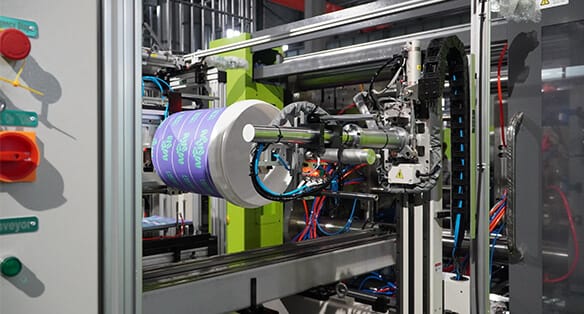
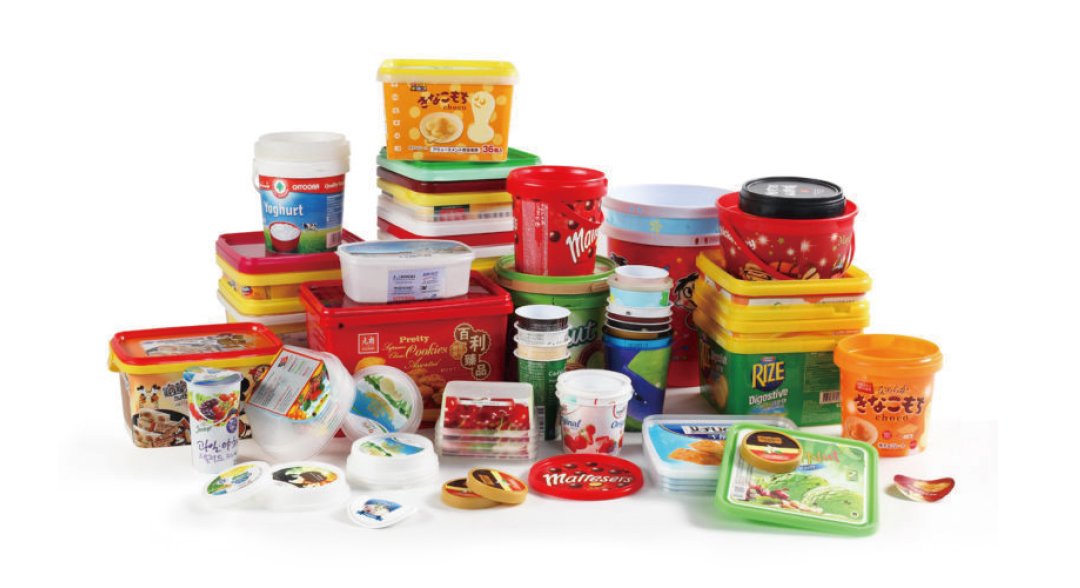
IML is a representative value‑added process in injection molding automation. Traditional injection molded parts require manual labeling or silk screening after molding, whereas an IML system integrates label placement, injection molding, and finished part removal into a fully automatic process.
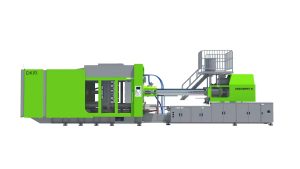
A mature IML automation system can compress total cycle time to 3–4 seconds, with mold intervention time under 1 second. When combined with a high‑speed injection molding machine and a proprietary IML system, the cycle time for producing a 500 mL thin‑wall PP food container using a four‑cavity mold has been reduced to under 4 seconds. IML not only eliminates post‑molding labor costs but also significantly increases product added value and brand recognition.
- AI vision inspection systems
Traditional manual visual inspection has a high miss rate, and post‑process inspection cannot prevent defects from being produced. In‑line vision inspection systems based on machine vision enable fully automatic, part‑by‑part inspection of product defects, improving yield rates. AI vision inspection is evolving from “post‑process judgment” to “real‑time prevention,” becoming an indispensable part of the injection molding automation closed loop.

Auxiliary Automation Equipment and System Integration
Beyond automation of the molding process, automation in material handling, mold change, and post‑processing also has a decisive impact on overall efficiency.
- Quick mold change systems are a key configuration for responding to the trend of high‑mix, low‑volume production. Hydraulic quick clamping systems can reduce mold change time from hours to minutes, directly increasing machine uptime.
- Central feeding and automatic drying systems – In the industry’s leading smart injection molding factories, the central integrated system incorporates a central raw material handling unit, ensuring raw material cleanliness and feeding stability from the source.
- Post‑process automation integration is one of the most significant trends in the industry in 2026. A fully automated diagnostic product manufacturing cell integrates injection molding, laser marking, automatic assembly, and sterile packaging into one seamless flow, improving overall efficiency by approximately 25% compared to traditional methods, while also reducing the production line footprint by 40%. This highly integrated turnkey solution is becoming the mainstream choice for high‑value‑added industries such as medical and packaging.
The efficiency improvement brought by injection molding automation is not a single‑point breakthrough of any one piece of equipment, but a systematic engineering effort covering the entire chain: molding, part removal, inspection, post‑processing, and data management. In 2026, the three key words—sustainability, data, and speed—will dominate the industry’s direction. For injection molding companies, automation is no longer a question of “whether to do it,” but a matter of survival: “how quickly can we achieve it?”