MuCellMicro‑foaming Injection Molding in Automotive Interior Parts
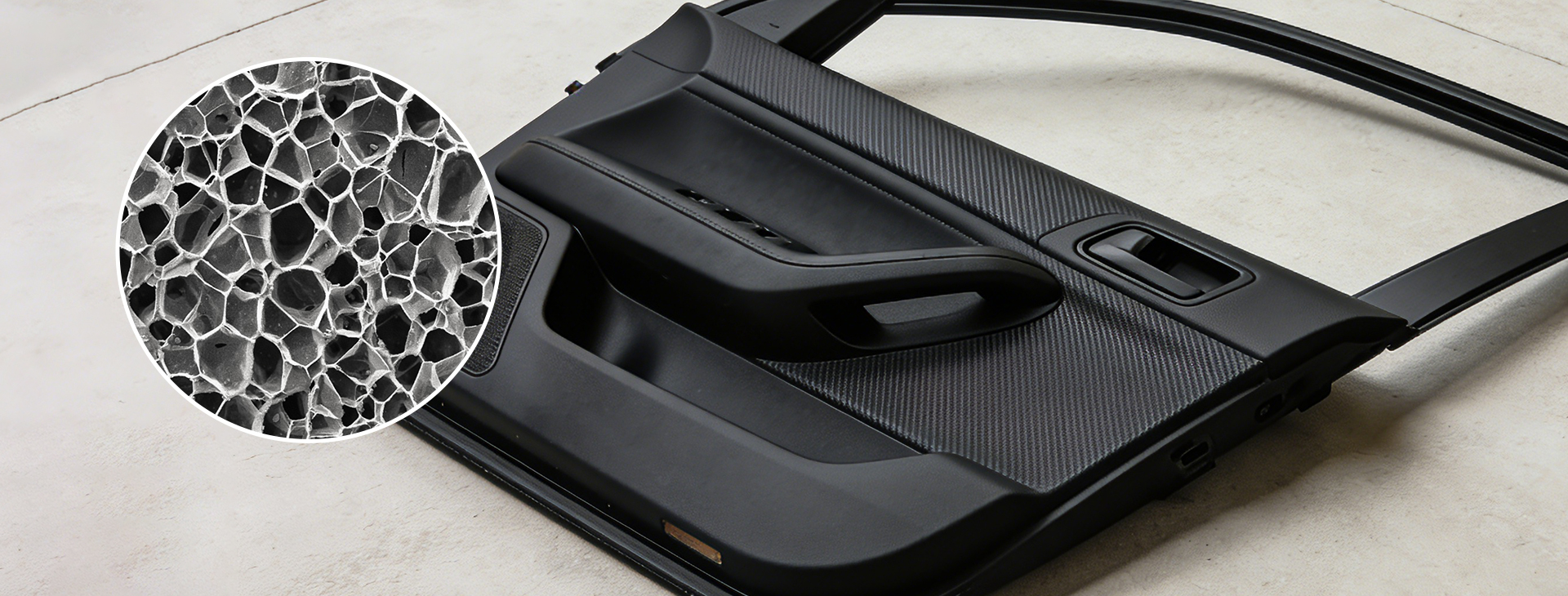
With the rapid growth of the new energy vehicle (NEV) industry, lightweighting has become a core driver of the green transformation of automobiles. Micro‑foaming injection molding creates a uniform micro‑cellular structure inside the melt, reducing material density and usage while maintaining mechanical properties. This enables weight reduction, lower energy consumption, and higher efficiency, offering an effective solution for the green manufacturing of automotive interior, exterior, and structural parts. As a representative of physical micro‑foaming technology, MuCell is penetrating various application scenarios of automotive interior components at an unprecedented speed.
Why Can MuCell Micro‑foaming Technology Be Widely Used in the Injection Molding Industry?
The popularity of MuCell micro‑foaming technology is no accident. Its core principle is to inject nitrogen or carbon dioxide, pressurized to a supercritical state, directly into the molten resin. When the melt is injected, the sudden pressure drop creates hundreds of millions of tiny bubbles, forming a unique cellular structure inside the plastic. This process brings remarkable comprehensive advantages:
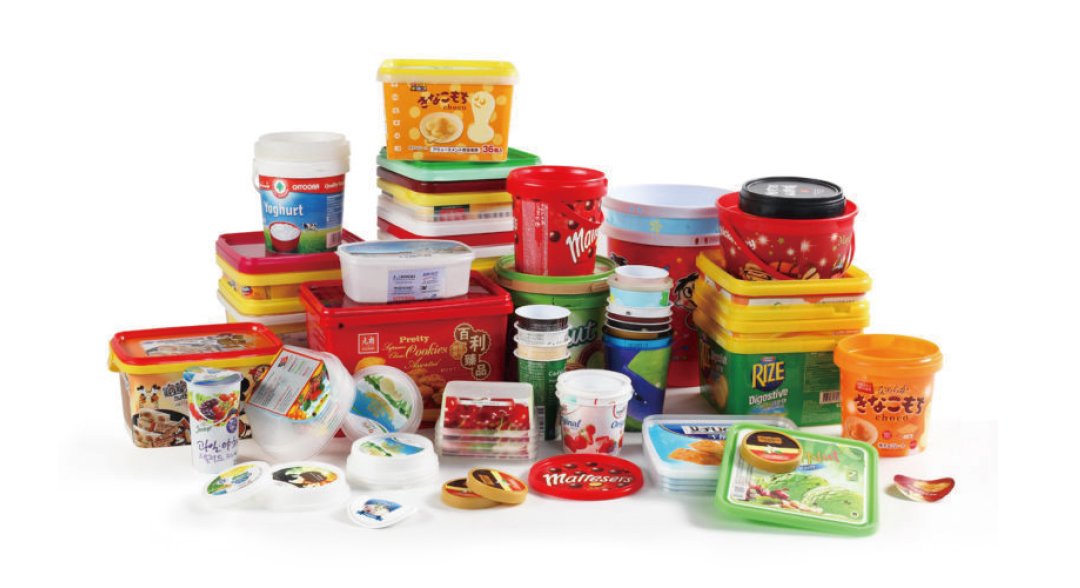
Because of these advantages, MuCell technology has been widely adopted in automotive, home appliance, medical device, packaging, and many other industries. In particular, it has become a mature and revolutionary technology for the production of high‑precision, high‑performance automotive components.
How DKM MuCell Micro‑foaming Technology Differs from Other Global Technology Providers
In the global landscape of micro‑foaming technology, suppliers such as Trexel and Matsui Manufacturing have their own deep technological accumulations. However, DKM, as a researcher and applicator of MuCell micro‑foaming technology, has forged a differentiated path.
DKM’s core differentiation lies in technical service rather than pure equipment supply. DKM not only provides hardware integration solutions for MuCell technology, but also focuses on helping customers achieve true mass‑production breakthroughs. While global leaders like Trexel focus on standardized output of supercritical fluid control systems and cooperate with multiple injection molding machine brands, DKM concentrates on building end‑to‑end application capabilities. Leveraging its deep understanding of local supply chains and manufacturing environments in China and the Asia‑Pacific market, DKM offers more targeted mass‑production solutions for Tier 1 automotive injection molders.
DKM’s Breakthrough by Integrating MuCell Micro‑foaming with High‑Gloss Injection Molding
Traditionally, foaming injection molding was limited to non‑visible structural parts because the surface tended to show flow marks and defects. By deeply integrating MuCell micro‑foaming technology with high‑gloss injection molding, DKM has broken this limitation and achieved several key breakthroughs:
How MuCell Micro‑foaming Technology Meets the Demands of Automotive Manufacturing
New energy vehicles are placing increasingly stringent requirements on structural parts, functional parts, and interior/exterior components. DKM’s MuCell micro‑foaming technology precisely addresses these needs:
- Lightweighting – Every kilometer of driving range improvement in NEVs requires weight reduction. Micro‑foaming can reduce the density of a single part by 8–12%, and with structural optimization the total component weight can be cut by 20–30%. This is particularly effective for large interior parts such as instrument panel carriers, door panels, center consoles, and headliners.
- Higher part strength – Contrary to the traditional belief that “foaming reduces strength”, the micro‑cellular structure of MuCell (cell diameter <50 µm) actually improves impact resistance and fatigue life due to much lower internal stress and more uniform fiber orientation, even with less material usage.
- More economical, lower cost – Combining material savings, shorter cycle times, and lower clamping force requirements, part cost can typically be reduced by 10–20%. For NEV models producing hundreds of thousands or even millions of units per year, the per‑vehicle cost saving is substantial.
- Enabling long‑carbon‑fiber reinforced interior parts – Long‑carbon‑fiber reinforced materials offer excellent specific strength and stiffness, making them ideal lightweight materials for interior components. However, the fiber‑floating problem has long plagued conventional injection molding. DKM’s micro‑foaming technology solves this pain point, making mass production of long‑carbon‑fiber reinforced interior parts a reality and opening up new material options for the performance and lightweighting of NEV interiors.
With solid technical strength and a pragmatic service spirit, DKM is driving the deep application and continuous evolution of micro‑foaming injection molding technology in the field of automotive interior parts. On the road to pursuing ultimate lightweighting, high performance, and cost competitiveness for new energy vehicles, DKM is undoubtedly a trustworthy technology partner.