Focused on home appliance injection molding, this article analyzes common defects of transparent parts and provides full-process solutions in material, mold, process and equipment to improve yield and product quality.
Analysis and Solutions for Defects in Home Appliance Injection Molding
In the field of home appliance injection molding, transparent parts (AC panels, refrigerator drawers, washing machine windows, water purifier housings) require extremely high transparency, defect-free surface, low internal stress and high strength. Defects such as bubbles, sliver marks, weld lines, whitening and cracking directly affect appearance and qualification rate.
Bubbles in Home Appliance Injection Molding
Causes
- Moisture in material generates steam at high temperature
- Poor mold venting causing air trapping
- Excessively high barrel temperature leading to material degradation
- Low back pressure resulting in air entrainment
- Uneven cooling in thick sections causing vacuum bubbles
Solutions
- PC: Dry at 120–130℃ for 6–8h; PMMA: Dry at 70–80℃ for 2–4h
- Add vent grooves 0.02–0.05mm at weld lines and flow ends
- Increase back pressure to 5–10MPa, reduce screw speed
- Use “slow→fast→slow” multi-stage injection for better degassing
- Raise mold temperature and extend holding pressure to improve packing
Sliver Marks / Silver Streaks in Home Appliance Injection Molding
Causes
- Mainly caused by moisture in material
- Excessive shear speed and injection rate causing degradation
- Low mold temperature leading to fast cooling and stress marks
- Air entrained by screw
Solutions
- Thoroughly dry material and prevent re-absorption
- Increase mold temperature (PC 80–120℃)
- Reduce injection speed to lower shear heat
- Use fan gates to avoid jetting
- Anneal key parts to relieve internal stress
Weld Lines in Home Appliance Injection Molding
Causes
- Low meeting temperature leading to insufficient fusion
- Poor venting with trapped air
- Improper gate location with excessive flow length
Solutions
- Strengthen venting at meeting points; vacuum venting optional
- Increase barrel and mold temperature to improve weld strength
- Add turbulence pins, optimize meeting angle >135°
- Properly increase injection speed for better fusion
Hazing / Whitening / Poor Transparency in Home Appliance Injection Molding
Causes
- Insufficient drying or material contamination
- Low mold temperature causing rapid surface solidification
- Insufficient mold polish, oil, or release agent residue
- Light scattering due to internal stress
Solutions
- Use virgin transparent material with pure drying
- Mold mirror polishing Ra≤0.05μm
- Increase mold temperature for smooth filling
- Minimize or avoid release agent
- Anneal to eliminate internal stress
Stress Marks / Ejector Whitening / Cracking in Home Appliance Injection Molding
Causes
- Uneven cooling and high internal stress
- Unbalanced ejection, small draft angle
- Sudden wall thickness change and sharp corners causing stress concentration
- Excessive holding pressure
Solutions
- Symmetrical conformal cooling to reduce temperature difference
- Increase draft angle and balanced ejection
- Use rounded corners, avoid sudden thickness changes
- Reduce holding pressure, raise mold temperature
- Anneal PC parts at 110–135℃
General Control Points for Home Appliance Injection Molding
Material: Virgin transparent grade, fully dried, dust-free
Mold: High polish, strong venting, balanced cooling, large draft
Process: Medium-high barrel temp, high mold temp, stable injection, sufficient holding
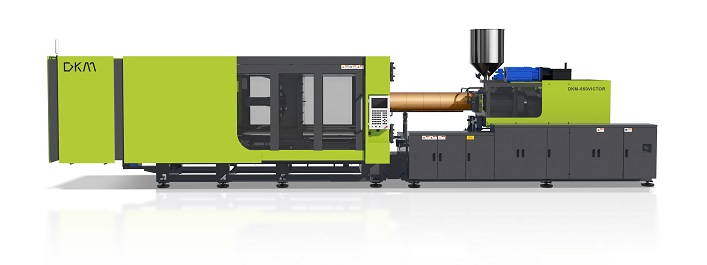
Machine: Good plasticizing, no dead corners, precise response
Heat-treatment: Anneal high-stress parts
Conclusion for Home Appliance Injection Molding
For transparent parts in home appliance injection molding, the core is to control stress, maintain cleanliness, optimize flow and stabilize cooling. Through four-dimensional optimization of material, mold, process and equipment, defect rate can be greatly reduced and yield improved, creating higher-quality transparent home appliance parts.