Microcellular Foam Injection Molds
Custom Design & Manufacturing | SINOMOULD
How does a mold determine the success or failure of a microcellular foam part?
With the same part drawing and the same injection molding machine, different molds can produce vastly different foaming results. Are the cells uniform? Are sink marks eliminated? Is warpage controlled within tolerance? The answers lie in every detail of the mold.
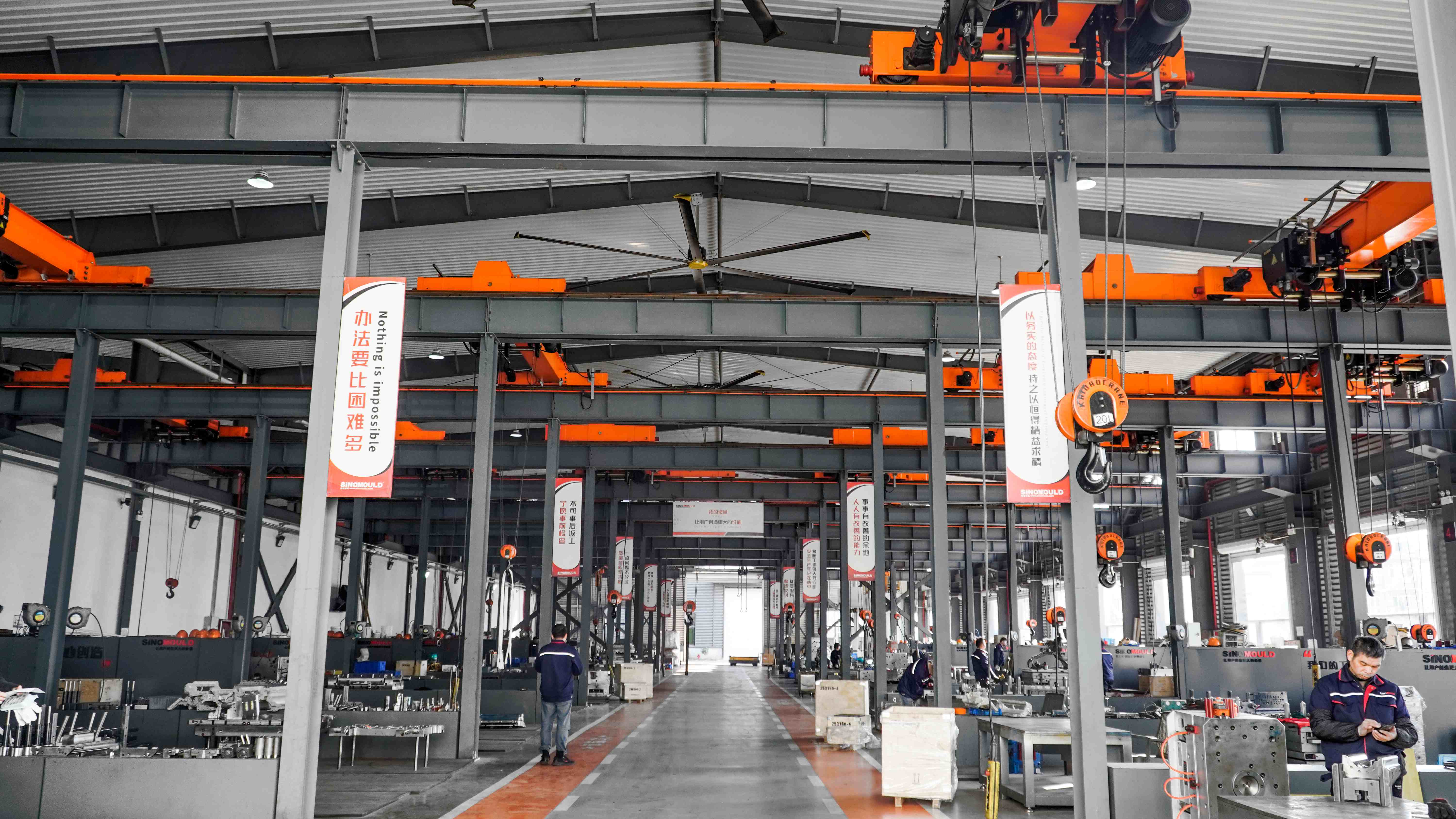
With 20 years of focus on mold manufacturing, SINOMOULD deeply integrates traditional mold craftsmanship with microcellular foaming technology.
Steel Selection for Microcellular Foam Molds
Microcellular foam molds demand higher performance from steel. Glass‑fiber reinforced materials require greater wear resistance; high‑polish applications need purer steel; complex geometries require better heat treatment stability.
SINOMOULD’s steel selection standards:
Steel Grade | Application | Hardness (HRC) | Characteristics |
2738 (P20+Ni) | Large molds, home appliances, automotive interior parts | 30–34 | Pre‑hardened, good polishability, suitable for large molds |
H13 (SKD61) | High‑temperature molds, glass‑fiber reinforced materials | 48–52 | Heat fatigue resistance, high wear resistance |
S136 (420SS) | High‑gloss mirror finish, transparent parts, corrosive materials | 48–52 | Stainless steel, corrosion resistant, polishable to mirror finish |
8407 | Long‑life molds, precision electronics | 50–54 | Good toughness, minimal heat treatment deformation |
Precision Machining of Microcellular Foam Molds
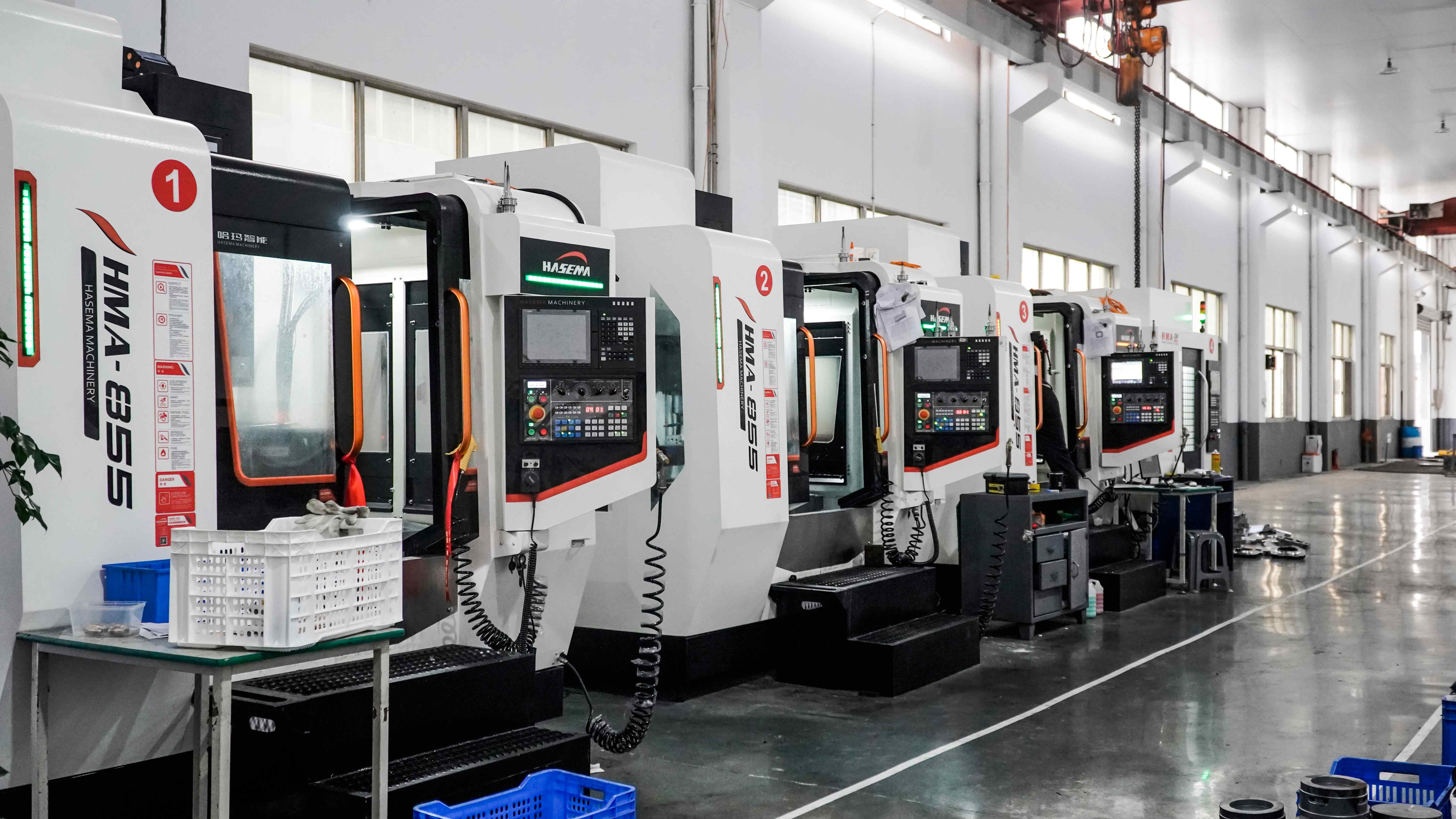
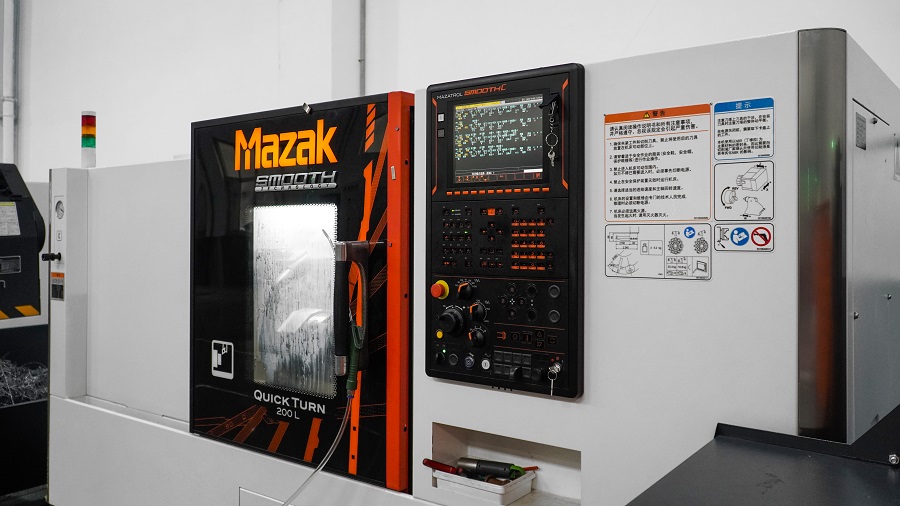
The dimensional stability of microcellular foam parts begins with mold machining accuracy. SINOMOULD is equipped with a full range of precision machining equipment to ensure every mold meets the stringent requirements of the design.
Complex surfaces machined in a single setup, reducing EDM work and improving surface consistency.
Deep narrow slots, sharp corners, fine textures – micron‑level discharge accuracy.
Conformal cooling channels machined up to 1.5m depth with deviation <0.5mm/m.
Every mold core is fully dimensionally inspected after machining.
Specialized Design for Microcellular Foam Molds
With the same mold steel and the same machining equipment, the real difference lies in the details.
Venting System
Microcellular foaming requires far greater gas evacuation than conventional injection molding. SINOMOULD increases vent depth by 50%, and vent layout is optimized through fluid simulation to ensure rapid gas escape without flash.
Cooling System
After bubbles grow, rapid solidification is required. SINOMOULD uses conformal cooling design, with cooling channels closely following the product contour, maintaining temperature variation within ±2°C and significantly reducing cooling time.
Ejection System
Foamed parts have thinner walls and lower rigidity, making them prone to deformation during improper ejection. SINOMOULD optimizes ejector pin layout based on part geometry, using plate ejection or air‑assisted ejection for large flat products to ensure smooth, distortion‑free demolding.
Mold Trial and Validation for Microcellular Foam Molds
Mold machining is only half the journey. The real test happens on the injection molding machine.
With access to DKM microcellular injection molding machines within the same group, every SINOMOULD microcellular foam mold undergoes rigorous validation before delivery:
Delivery Ready for Mass Production – that is SINOMOULD’s commitment to our customers.