SCF Microcellular Injection Mold – Custom Design & Manufacturing | SINOMOULD
Microcellular Foam Injection Molds Custom Design & Manufacturing | SINOMOULD How does a mold determine the success or failure of a microcellular foam part? With

Microcellular foam molding technology has long moved beyond the laboratory and is now a mature manufacturing solution globally. From automotive interiors to consumer electronics, from home appliance components to thin‑wall packaging containers—microcellular foam technology is helping companies across industries achieve weight reduction, cost savings, and quality improvement.
DKM’s microcellular technology has been successfully applied in hundreds of mass‑production projects, building extensive industry experience. No matter your field, we can provide a validated microcellular solution tailored to your needs.
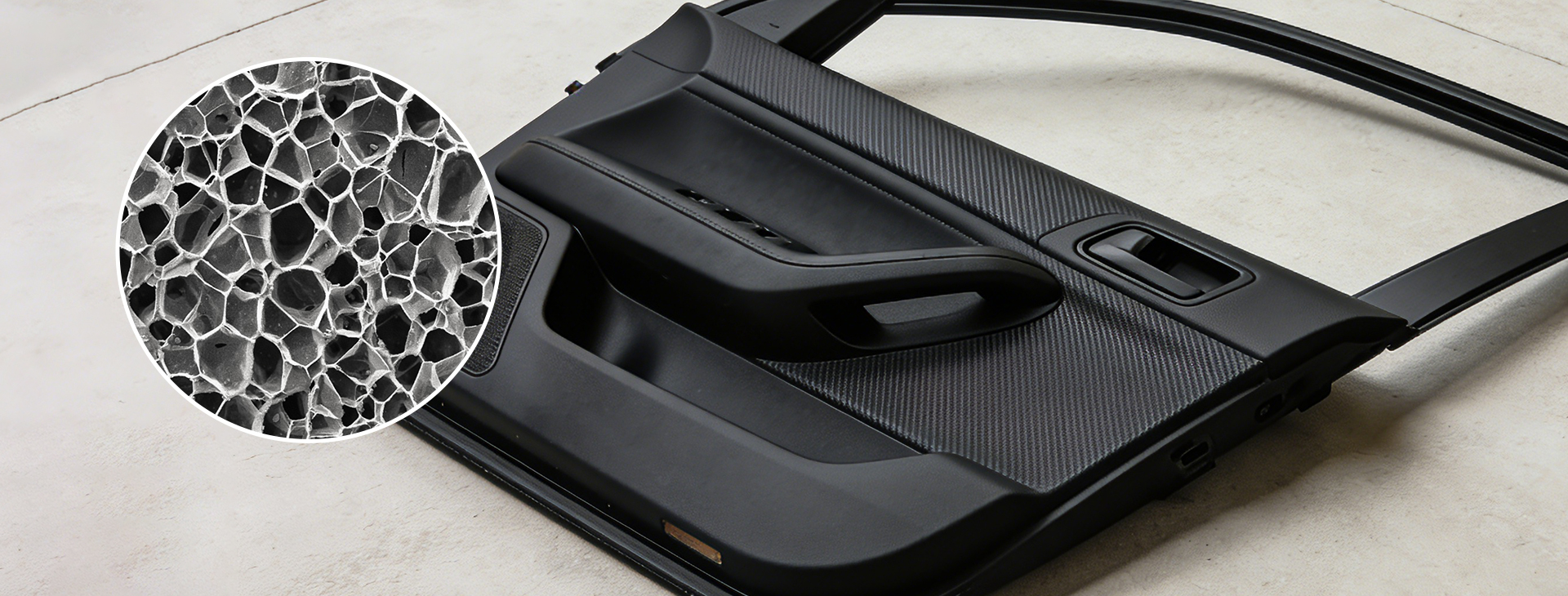
The automotive sector is the largest application field for microcellular technology. In the electric era, every kilogram saved translates into extended range. Meanwhile, new energy vehicles are experiencing explosive growth: 13.168 million units were produced in 2024, a year‑on‑year increase of 38.7%. Microcellular technology enables significant weight reduction for automotive components without sacrificing strength.
Component | Material | Weight Reduction | Other Benefits |
Door Interior Panel | PP/TPE | 20–30% | No sink marks, optimized tactile feel |
Instrument Panel Carrier | PA66‑GF30 | 10–15% | 50% lower clamping force, 60% less warpage |
Radiator Tank | PA66‑GF30 | 10–12% | Dimensional stability, coolant resistance |
Air Duct | PP | 20–25% | Thermal insulation, noise reduction, longer flow length |
Mirror Frame | PA‑GF | 10% | 10% cycle time reduction, 35% lower clamping force |
Engine Cover | PA6‑GF30 | 10–15% | Vibration damping, noise reduction, dimensional stability |
Printers, copiers, and scanners contain numerous precision plastic parts that demand exceptional dimensional stability—a deviation of just tens of microns can cause paper jams or printing misalignment. With its low residual stress and high dimensional stability, microcellular technology has become the preferred process for the office equipment industry.
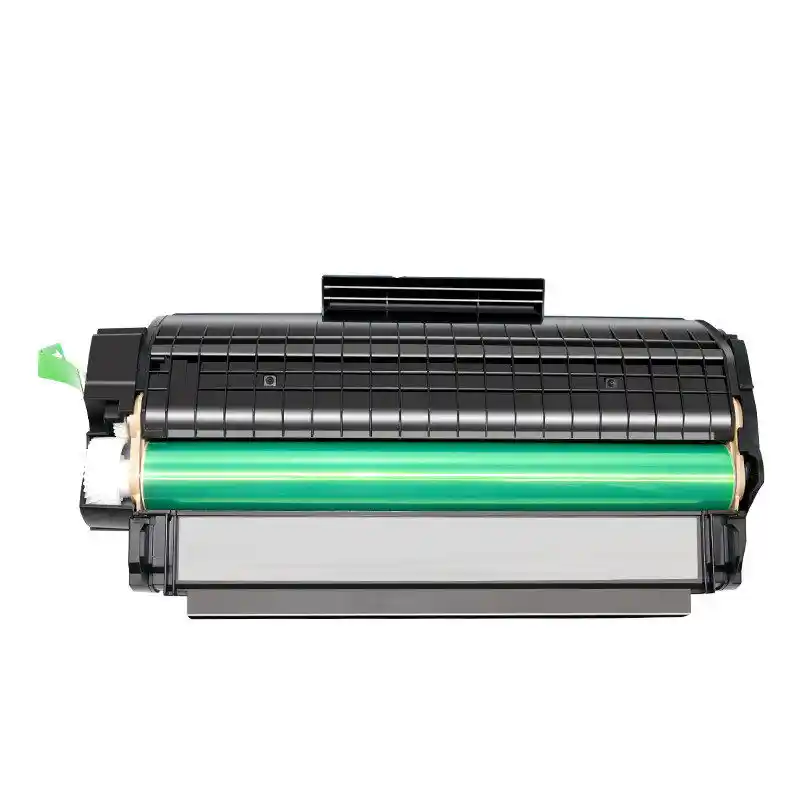
Application Example: Printer Ink Cartridge Carrier
Home appliances are highly cost‑sensitive, yet consumers demand ever‑increasing quality. Microcellular technology delivers a win‑win in cost reduction and efficiency improvement.
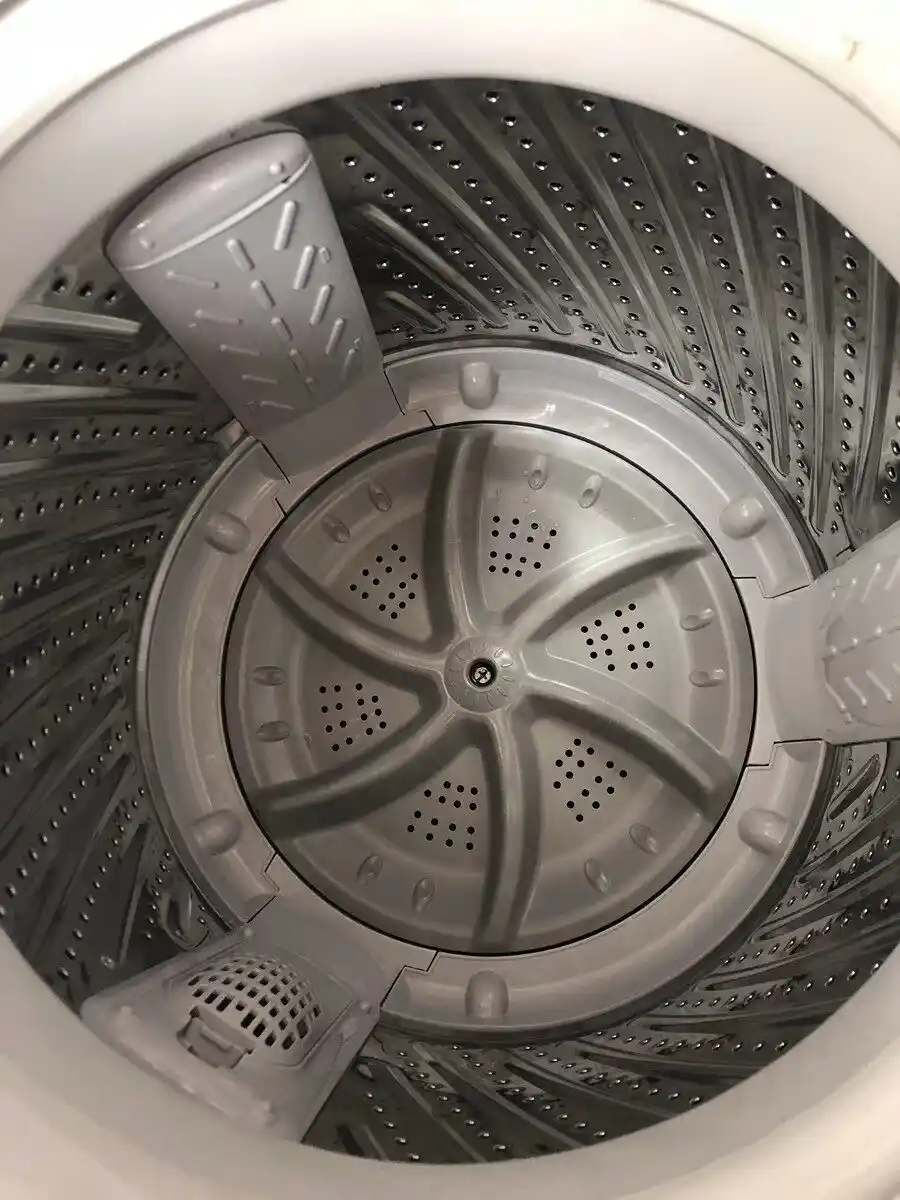
Application Example: Washing Machine Components
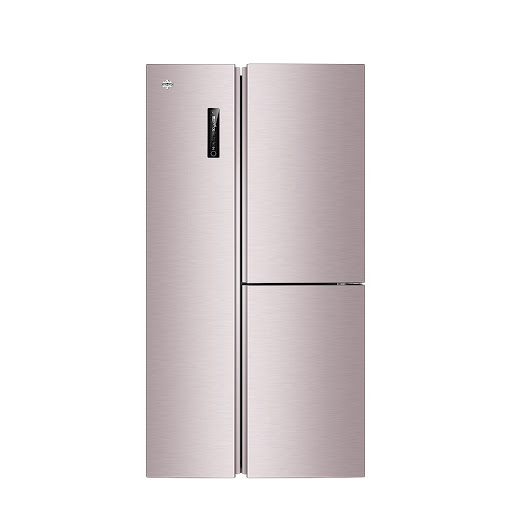
Application Example: Refrigerator Internal Parts
Thin‑wall packaging containers demand in wall thickness, strength, and cycle time. Microcellular technology makes ultra‑thin‑wall containers of 0.3–0.5 mm possible, while significantly reducing clamping force requirements.

Classic Case: 0.4 mm Thin‑Wall Butter Tub
Industry | Typical Applications | Weight Reduction | Cycle Time Reduction | Core Benefits |
Automotive | Door panels, instrument carriers, radiators, fans | 10–30% | 15–20% | Lightweighting, lower clamping force, reduced warpage |
Electronics & Office | Printer cartridges, connectors, housings | 5–10% | 15–25% | Dimensional stability (±30 μm), fewer gates |
Home Appliances | Air conditioner blades, washing machine parts, refrigerator components | 10–20% | 15–25% | Cost savings, noise reduction, dimensional stability |
Packaging | Thin‑wall containers, butter tubs, food boxes | 5–15% | 20–30% | Material savings, 50% lower clamping force |
The examples above are only a fraction of the applications for microcellular technology. No matter your industry or the specific requirements of your product, DKM can provide a tailored microcellular solution.
Next Steps:
Microcellular Foam Injection Molds Custom Design & Manufacturing | SINOMOULD How does a mold determine the success or failure of a microcellular foam part? With
In‑Depth Research and Application of Mucell Microcellular Foaming Technology Mucell microcellular foaming technology is a physical foaming process that uses supercritical fluid (such as nitrogen